
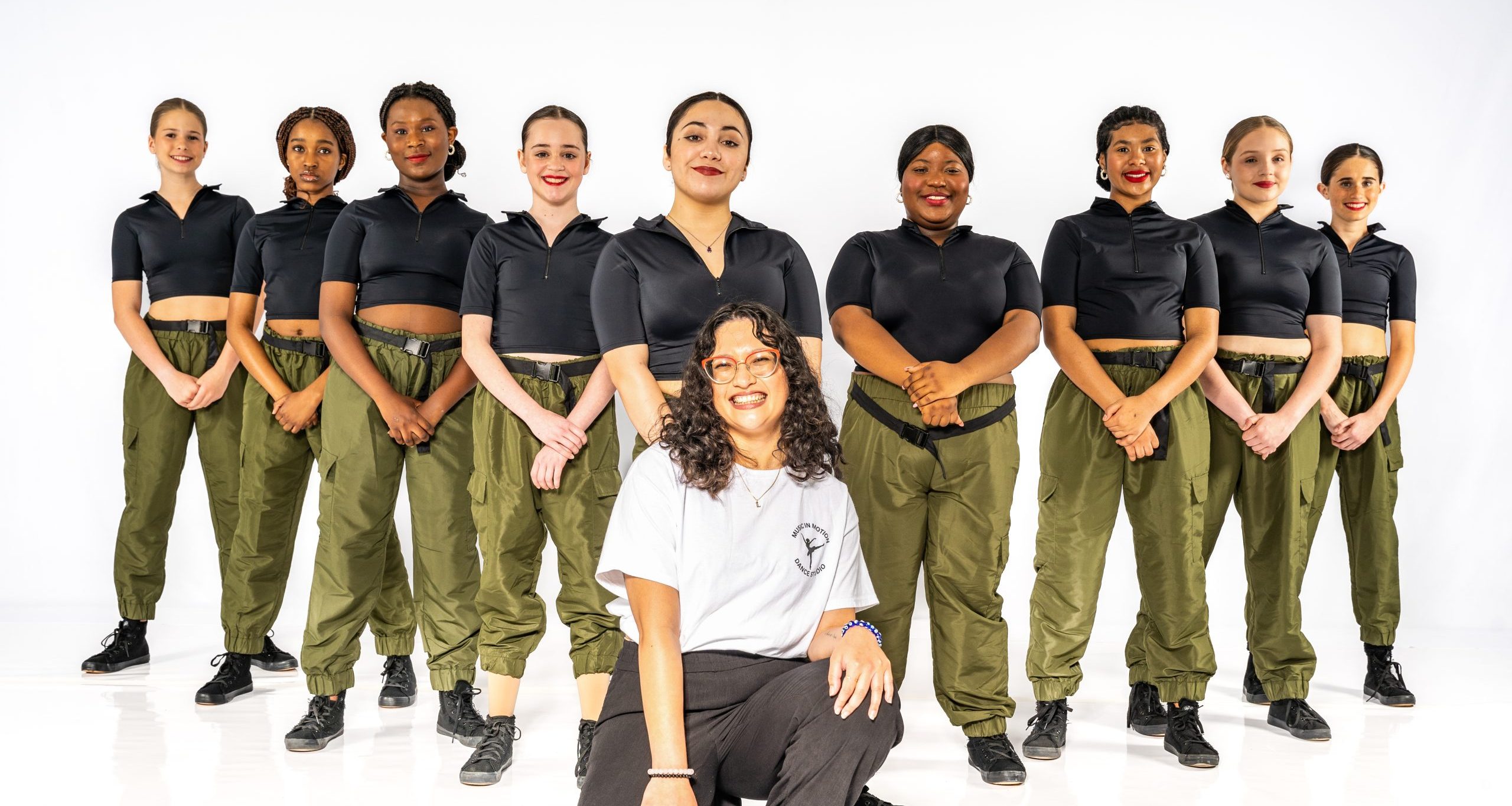
Hip hop dance, a vibrant and expressive art form, emerged from the streets of the Bronx, New York City, in the 1970s. Rooted in African American and Latin American cultures, hip hop quickly gained popularity and evolved into a global phenomenon.
The foundation of hip hop dance is built upon its five essential elements:
1. MCing: The vocal element of hip hop, involving rapping and storytelling through spoken word.
2. DJing: The hands-on, musical element, where DJs use turntables to create beats and set the rhythm.
3. Breaking: The physical part of hip hop, characterized by acrobatic moves, power moves, freezes, and footwork. Hip hop choreography, as seen in studios today, evolved from breakdancing, incorporating social party dances like the Smurf, Running Man, Biz Markie, and Bart Simpson, which became foundational to hip hop choreography alongside influences from Tap, African, and Jazz dance styles.
4. Graffiti: The visual expression of hip hop culture, showcasing creativity and individuality through murals and street art.
5. Knowledge: The mental and cultural aspect, emphasizing understanding, awareness, and respect for hip hop's roots and history.
Hip hop further expanded into the Funk and Club styles, including Locking, Popping, House, Vogue, Breaking, and Waacking, which continue to influence and enrich the art form.
These elements have come together to create a diverse and ever-evolving dance culture that celebrates self-expression, creativity, and community. Hip hop dance has empowered individuals from all walks of life, providing them with a platform to share their stories, challenge stereotypes, and inspire others.
Beyond its artistic significance, hip hop has also had a profound impact on society. It has served as a vehicle for social change, giving voice to marginalized communities and promoting cultural awareness. Hip hop has challenged traditional notions of beauty, success, and masculinity, offering new perspectives and opportunities for individuals to express themselves authentically.
Today, hip hop dance is a global phenomenon, with dancers from all over the world competing, performing, and creating their own unique styles. The art form continues to evolve, incorporating influences from other dance styles and cultural traditions. Hip hop dance remains a powerful and inspiring force that continues to shape the landscape of contemporary dance.
From former and current Music in Motion Hip Hop Instructors:
 Julika
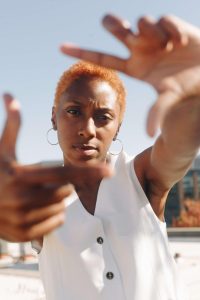 Julika
"Hip Hop for me is an outlet of love. It's more than about the technique but of the feeling. The feeling it gives me to express whatever release that I might need in my life. Not only that but also the community of Hip Hop. Having made so many connections with people through the movement and how much it has built confidence within myself and one another. I appreciate its authenticity, and how it never wavers from accepting new things to create from. It's always evolving, which is the spectrum of life, but it never compromises from being built on such a foundation for the people to be themselves. It was created to make peace in the world, and has made a consistent advantage of that in its highs and lows. So whenever I move or teach its culture, I always keep in mind that those who have come before me have given me the opportunity to submerge in that love they created through Hip Hop. Being mindful to always share with the next generation as well, so that the culture might never die out."
Jalyn
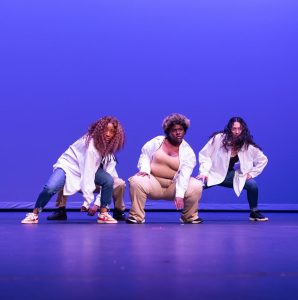 Jalyn
Jalyn“Hip Hop to me means Connection. I have met some of my closest friends and have connected with many different people through this art form. It has also helped me build a stronger connection with myself and figuring out different ways to explore my mind, body and soul. Our world is in need of connection and having a sense of belonging, and I am forever grateful that I have been able to experience that through my Hip Hop training.”
Rowan
“Hip-Hop is more than a style of movement, it’s an escape. An art form made to break the walls of creativity that is not limited by its technique. A form of self expression in its rawest state, where emotions run rampant through the air as it’s performed. There is no limit, for limits are made to be broken.”