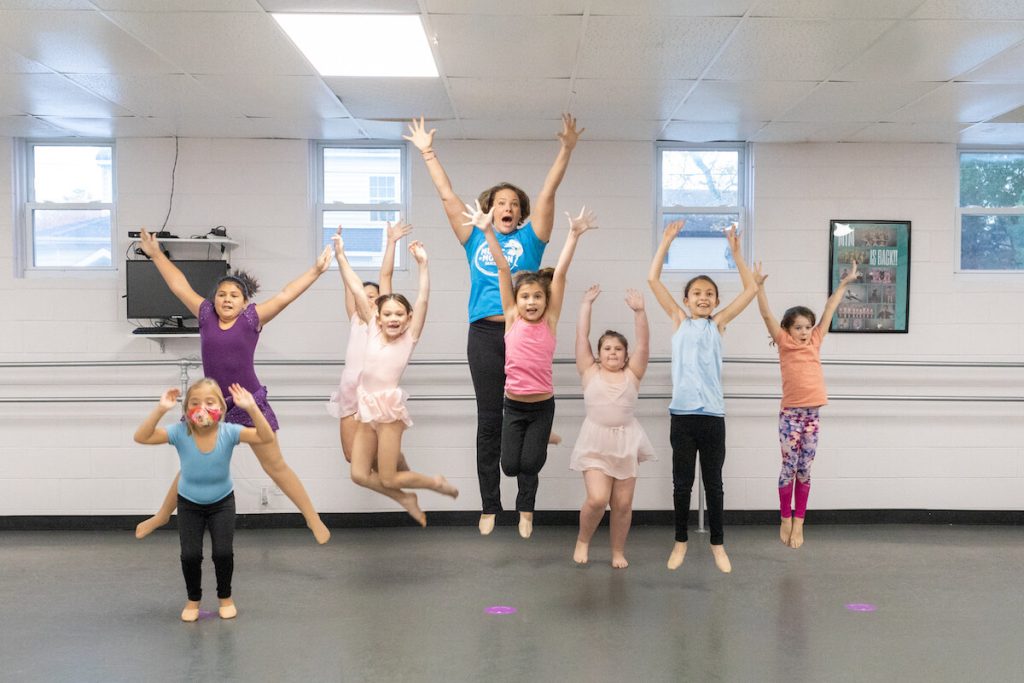
Dance is a universal language that transcends cultural, linguistic, and physical barriers. It is a powerful tool for self-expression, personal growth, and fostering a sense of community. In recent years, there has been a growing emphasis on inclusion in dance, recognizing the importance of creating a welcoming and supportive environment for dancers of all backgrounds and abilities.
Breaking Down Barriers:
One of the most significant benefits of inclusion in dance is its ability to break down barriers and promote understanding. Dance can help individuals from diverse backgrounds connect and appreciate each other's differences. It fosters a sense of empathy and respect, encouraging people to embrace their own unique identities and celebrate the diversity of human expression.
Building Confidence and Self-Esteem:
Dance is a powerful tool for building self-esteem and confidence. When individuals are able to express themselves through movement, they gain a sense of agency and control over their bodies. This can lead to increased self-worth and a more positive outlook on life.
Enhancing Social Skills:
Dance is a highly social activity that requires teamwork, cooperation, and communication. By participating in dance classes and performances, individuals can develop important social skills that will benefit them both inside and outside of the studio.
Promoting Physical and Mental Health:
Dance is a great way to stay active, improve physical fitness, and reduce stress. Regular dance practice can help improve balance, coordination, and flexibility. Additionally, dance has been shown to have positive effects on mental health, such as reducing anxiety and depression.
Creating a Sense of Belonging:
Dance can provide a sense of belonging and community for individuals of all ages and backgrounds. By participating in dance classes and performances, individuals can connect with others who share their passion for movement and create lasting friendships.
Inclusion in dance is essential for creating a welcoming and supportive environment for all dancers. By embracing diversity and promoting inclusivity, we can help to make dance a more accessible and enjoyable experience for everyone!